
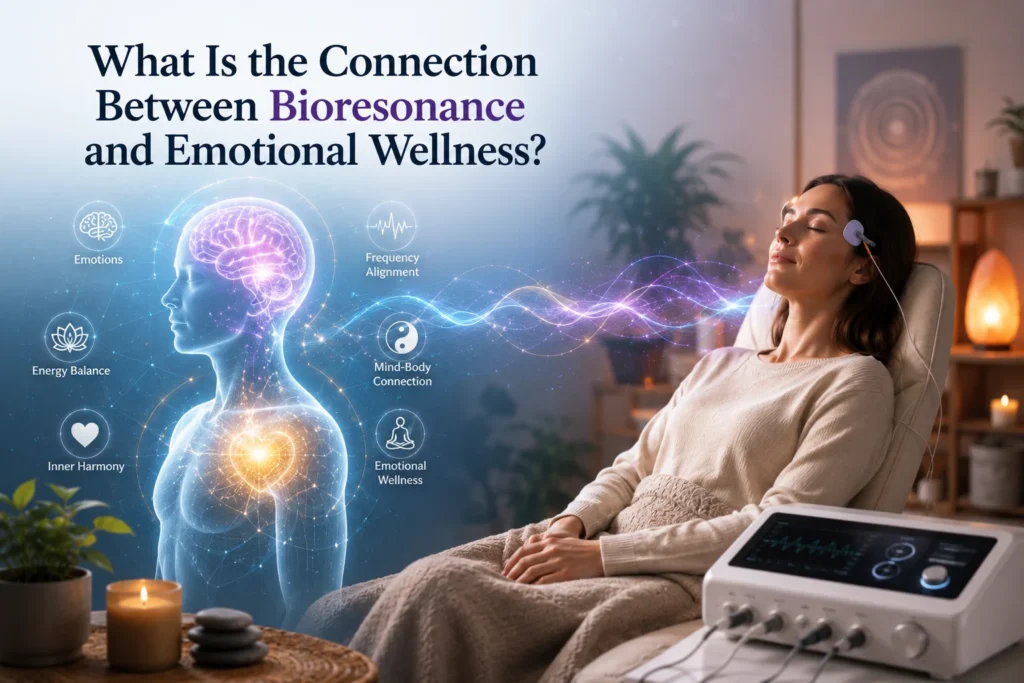
The connection between bioresonance therapy and emotional wellness lies in the idea that the body’s electrical frequencies may reflect physical and emotional imbalances. Practitioners believe that identifying and supporting these imbalances can help reduce stress, improve relaxation, and promote overall emotional well-being. While many people report positive experiences, scientific evidence is still limited, so bioresonance should be viewed as a complementary wellness approach rather than a replacement for medical or mental health treatment.
Key Takeaways
- Emotional stress can affect both mental and physical well-being.
- Bioresonance therapy aims to identify energetic imbalances in the body.
- Many people use it alongside meditation, nutrition, and other holistic practices.
- It focuses on supporting relaxation and overall wellness rather than treating mental illnesses.
- More scientific research is needed to confirm its effectiveness.
- DNA Resonance Care offers bioresonance sessions as part of an advanced holistic wellness approach.
Why Emotional Wellness Matters
Emotional wellness is more than simply feeling happy. It is your ability to understand emotions, cope with daily stress, maintain healthy relationships, and recover from life’s challenges.
When emotional health is affected, people may notice:
- Constant stress
- Anxiety
- Poor sleep
- Fatigue
- Mood swings
- Difficulty concentrating
- Low motivation
Over time, emotional stress may also influence physical health by affecting sleep quality, digestion, immune function, and energy levels. This is why many people look beyond conventional wellness practices and explore complementary approaches like bioresonance therapy.
What Is Bioresonance Therapy?
Bioresonance therapy is a complementary wellness technique based on the idea that every cell in the body emits electromagnetic frequencies. According to practitioners, changes in these frequencies may indicate areas of imbalance.
During a session, specialized equipment is used to measure these signals. The therapist then aims to support the body’s natural balance by working with these frequencies.
Although this concept has gained popularity in holistic wellness, current scientific evidence remains limited, and the therapy should not replace medical diagnosis or treatment.
How Emotional Health and Body Balance Are Connected
The mind and body constantly influence one another.
For example:
- Chronic stress can increase muscle tension.
- Anxiety may affect digestion.
- Emotional exhaustion can reduce energy.
- Poor sleep often impacts mood and focus.
Because emotional and physical wellness are closely connected, many holistic approaches focus on supporting the whole person instead of addressing only individual symptoms.
This is where advanced holistic wellness programs often include lifestyle guidance, mindfulness, nutrition, relaxation techniques, and complementary therapies.
How Bioresonance Therapy May Support Emotional Wellness
Although research is still developing, many people report feeling calmer and more relaxed after bioresonance sessions.
Some potential wellness benefits people seek include:
Encouraging Relaxation
Many individuals describe feeling deeply relaxed during a session. Relaxation may help reduce everyday stress and promote emotional balance.
Supporting Better Sleep
Poor sleep often worsens emotional well-being. Some users report improved sleep quality after incorporating bioresonance into their overall wellness routine.
Helping Manage Everyday Stress
Stress is one of the biggest challenges in modern life. While bioresonance therapy is not a treatment for anxiety disorders, some people use it as an additional relaxation practice alongside healthy lifestyle habits.
Promoting Mind-Body Awareness
Many holistic therapies encourage individuals to become more aware of how emotional stress affects their bodies. This awareness can inspire healthier habits and better stress management.
Bioresonance as Part of Advanced Holistic Wellness
Rather than relying on one solution, many wellness professionals recommend combining multiple healthy practices.
An advanced holistic wellness plan may include:
- Healthy nutrition
- Regular exercise
- Meditation
- Breathwork
- Quality sleep
- Stress management
- Hydration
- Mindfulness
- Complementary wellness therapies
When combined thoughtfully, these habits may contribute to improved emotional resilience and overall well-being.
Who May Consider Bioresonance Therapy?
Some individuals explore bioresonance as part of their wellness journey if they experience:
- High stress levels
- Mental fatigue
- Low energy
- Poor sleep habits
- Difficulty relaxing
- Busy lifestyles
However, anyone experiencing persistent anxiety, depression, trauma, or other mental health concerns should seek guidance from a qualified healthcare or mental health professional. Complementary therapies should only be used alongside appropriate medical care when needed.
What Does Current Research Say?
Research on bioresonance therapy is still evolving.
Some small studies and user experiences suggest potential wellness benefits, while many health organizations note that there is not yet enough high-quality clinical evidence to confirm its effectiveness for emotional health.
For this reason, bioresonance is generally considered a complementary therapy rather than an evidence-based treatment for emotional or psychological conditions.
People interested in trying it should maintain realistic expectations and continue following advice from qualified healthcare providers.
Choosing the Right Wellness Provider
If you decide to explore bioresonance, consider choosing a provider who:
- Clearly explains the therapy.
- Avoids unrealistic promises.
- Understands holistic wellness principles.
- Encourages healthy lifestyle habits.
- Supports collaboration with conventional healthcare when appropriate.
At DNA Resonance Care, bioresonance sessions are offered as part of a broader advanced holistic wellness approach that focuses on supporting overall balance, relaxation, and healthy living rather than replacing conventional medical care.
Final Thoughts
Emotional wellness is influenced by many factors, including stress, sleep, nutrition, lifestyle, and physical health. While bioresonance therapy is not a proven treatment for mental health conditions, many people include it within their broader wellness routines because they find the sessions relaxing and supportive.
When combined with healthy habits, mindfulness, and professional healthcare when needed, complementary therapies may contribute to a more balanced lifestyle. As research continues, individuals should make informed decisions and choose qualified practitioners who provide realistic guidance and prioritize overall well-being.
Frequently Asked Questions
Is bioresonance therapy good for emotional wellness?
Some people report feeling calmer and more relaxed, but scientific evidence remains limited.
Can bioresonance therapy treat anxiety or depression?
No. It should not replace professional mental health treatment or medical care.
Is bioresonance therapy safe?
It is generally considered a complementary wellness practice, but you should consult your healthcare provider if you have medical concerns.
How does bioresonance fit into advanced holistic wellness?
It is often combined with healthy nutrition, exercise, mindfulness, stress management, and other wellness practices.
How many bioresonance sessions are usually recommended?
The number varies depending on individual wellness goals and the practitioner’s recommendations.
Can bioresonance therapy replace medication?
No. Never stop prescribed medication or medical treatment without consulting your healthcare provider.