Common reasons people explore frequency-based wellness, and how to know if it fits your goals
Bioresonance therapy isn’t for everyone, and it isn’t a replacement for medical care. But thousands of people each year search “should I try bioresonance” because they’re looking for complementary support that feels gentle, non-invasive, and personalized.
So when does it make sense to book a session? Here’s how people decide, based on the most common questions they ask online and what practitioners see in practice.
What Is Bioresonance Therapy Used For?
People first ask: “What conditions is bioresonance used for?” The honest answer: Bioresonance devices are not FDA-approved to diagnose or treat any disease. In wellness settings, practitioners use them to scan for energetic imbalances and provide frequency support for general balance.
Clients often explore it for areas like sleep quality, stress resilience, digestive comfort, environmental sensitivities, low energy, skin irritations, or feeling “off” with no clear medical cause. You’ll see searches like “bioresonance for fatigue,” “frequency therapy for allergies,” and “bioresonance for stress.” The goal isn’t to replace your doctor. It’s to gather information and support self-regulation alongside your existing care.
Should You Try Bioresonance If Blood Tests Are Normal But You Still Feel Unwell?
This is a huge PAA: “Why do I feel bad when my tests are normal?” Many people land here. Your labs look fine, yet you’re tired, bloated, foggy, or reactive to foods and environments.
Some turn to bioresonance at this stage because it looks at “energetic” or “functional” stress patterns rather than pathology. The scan may flag frequencies related to foods, molds, or emotional strain that don’t show up on standard blood work. It doesn’t give a diagnosis, but it can provide a new lens to discuss with your integrative doctor or nutritionist. Think of it as a wellness map, not a medical chart.
Can You Consider Bioresonance for Food and Environmental Sensitivities?
“Can bioresonance test food intolerances” and “bioresonance for allergies” are searched thousands of times per month. Here’s how it works: the device checks your sample against hundreds of substance frequencies — dairy, gluten, pollen, dust mites, chemicals — and reports which ones show a stress response.
Important: this is not the same as an IgE allergy test or celiac panel. It won’t tell your doctor to prescribe an EpiPen. But many clients use the report to guide an elimination diet or home environment audit, then re-test with their physician. If you’re constantly reactive and want clues, this is one reason people book a session with providers like DNA Resonance Care.
Is Bioresonance Worth Trying for Chronic Stress and Poor Sleep?
“Can bioresonance help with anxiety and sleep?” comes up constantly. While there’s no clinical proof that it changes brain chemistry, users often describe sessions as calming. The device runs frequencies associated with relaxation, nervous system balance, and circadian rhythm support.
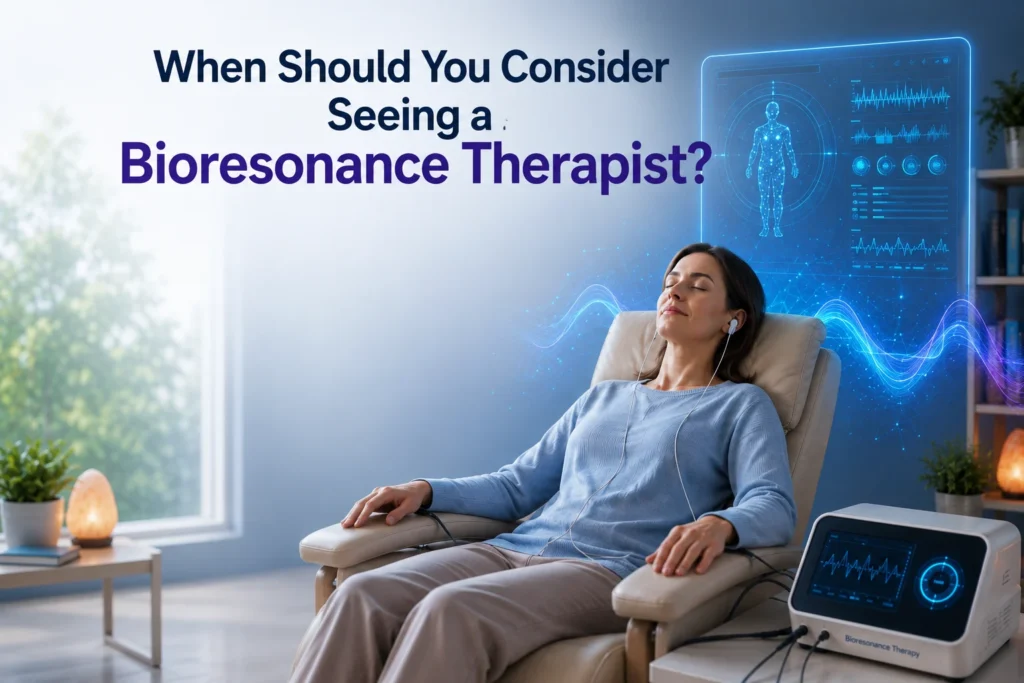
People who’ve tried meditation, magnesium, and sleep hygiene but still wake at 3 am sometimes explore this as an extra layer. The session is non-invasive — you sit with electrodes or mail a hair sample for distance work — so the risk is low. The expectation should be “support,” not “cure.” If stress is driving your symptoms, a gentle modality can feel worth exploring.
When Do Parents Look Into Bioresonance for Children?
“Is bioresonance safe for kids?” and “bioresonance for autism support” are top parent queries. Families often consider it when a child is sensitive to certain foods, has gut discomfort, sleep issues, or reacts to multiple foods.
Because distance sessions only need a hair sample, there’s no need for the child to sit still or tolerate electrodes. That convenience matters. Still, the same rule applies: it’s complementary. Keep your pediatrician, OT, and dietitian in the loop. Ethical practitioners won’t claim to change neurodevelopment — they’ll frame it as general wellness support.
Should You Book Bioresonance Before or After a Big Life Change?
Searches like “bioresonance for detox” and “frequency therapy after illness” show people use it during transitions. Moving house, travel, mold exposure, new job stress, postpartum, or recovery after antibiotics are common triggers.
The idea is to “re-tune” the system when it’s been under load. Again, this isn’t medical detox. It’s informational support. Clients report using it seasonally, like a tune-up, similar to how others book massage or acupuncture.
What If You’ve Tried Everything Else and Want a Different Perspective?
“Alternative to blood tests for sensitivities” and “natural energy balancing therapy” are signs someone is looking for a new angle. Bioresonance appeals to people who prefer non-invasive methods and want to see patterns across food, environment, and emotions in one report.
It’s not for emergencies, acute illness, or as a sole diagnostic tool. But if you’re stable, curious, and working with a doctor, it can be one data point in your toolkit. The key is managing expectations: it provides information, not answers.
How Do You Choose the Right Bioresonance Therapist?
“Best bioresonance therapist near me” is a high-intent search. Look for:
- Clear scope of practice: They state they don’t diagnose, treat, or cure disease.
- Transparency: They explain the device, limits of evidence, and what a report means.
- Integration: They encourage you to share results with your medical team.
- No guarantees: Anyone promising to “fix” a condition is a red flag.
- Experience with your concern: Ask if they’ve worked with sleep, gut, or child clients before.
A reputable clinic will do an intake, explain the process, and give you time to decide. DNA Resonance Care uses this model: education first, session second, with reports written in plain language.
Your Body, Your Timing, Your Choice
The right time to see a bioresonance therapist is when you’re informed, stable, and looking for complementary insight — not a miracle. If your labs are normal but you still feel off, if you want to explore sensitivities, if stress and sleep are your main issues, or if you simply want a non-invasive check-in, it may be worth a conversation.
Bring your questions, keep your doctor involved, and judge by how you feel over time. Wellness isn’t one-size-fits-all. The best choice is the one you make with full information and realistic expectations.