If you’ve searched “bioresonance therapy for autism,” you’ve likely seen a mix of hope, questions, and confusion. Parents and caregivers exploring complementary wellness options want clear, honest answers: What is it? Is it safe? What does a session look like? And how do you separate marketing claims from reality?
It’s written for informational purposes only. Bioresonance is considered a complementary wellness modality, not a medical treatment, and it does not diagnose, treat, or cure autism or any condition. Always work with your licensed healthcare provider for medical decisions.
What Is Bioresonance Therapy and How Do Practitioners Describe It?
Bioresonance is a non-invasive approach based on the idea that cells, organs, and environmental factors emit electromagnetic frequencies. Using a specialized device, practitioners say they can detect “disharmonious” frequency patterns and send back corrective signals to support the body’s natural self-regulation.
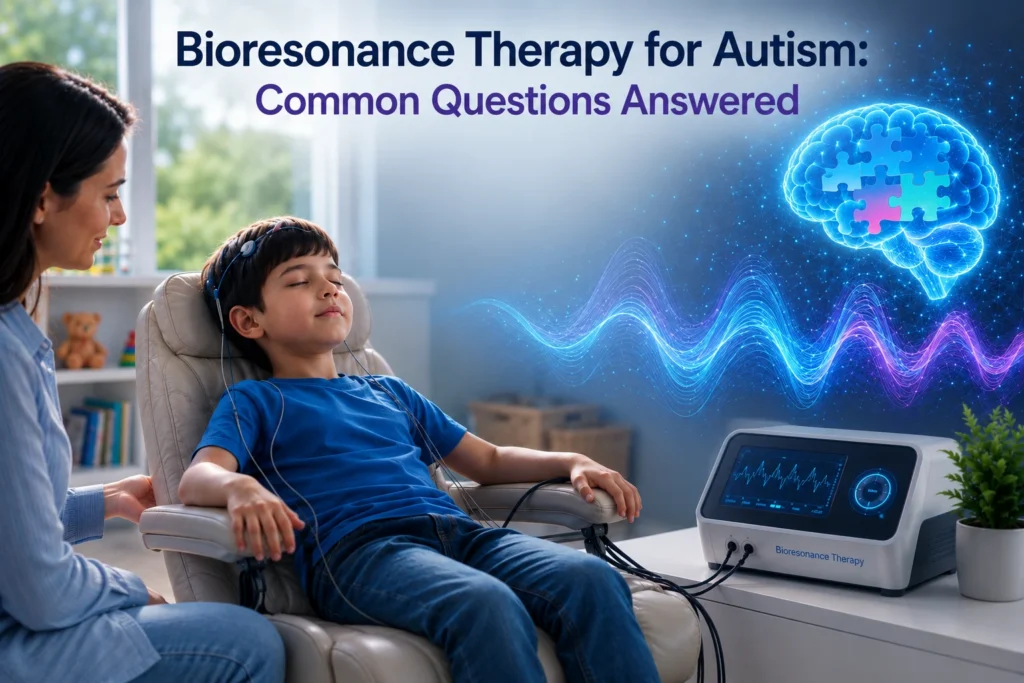
People often search related terms like “frequency therapy for kids,” “bioenergetic balancing,” “non-invasive autism support,” and “alternative wellness for sensory issues.” Sessions are typically gentle: in-person, a child might hold hand electrodes or sit with their feet on plates. For distance sessions, a hair or nail sample is used. No needles, no drugs, no electrical current felt by the body.
It’s important to understand: bioresonance devices are not FDA-approved medical devices for treating autism. In many countries, they’re classified as wellness or experimental devices.
Can Bioresonance Therapy Help With Autism Symptoms?
“Does bioresonance work for autism?” Here’s the transparent answer: there is no high-quality clinical evidence proving bioresonance can change core characteristics of autism or treat autism itself.
Some parents report using it as complementary support alongside speech therapy, occupational therapy, nutrition, and medical care. They describe goals like supporting sleep quality, easing digestive discomfort, reducing environmental sensitivities, or helping with emotional regulation. These are wellness outcomes, not medical claims.
Any provider promising to “cure” or “reverse” autism with bioresonance is making a claim not supported by science. Ethical practitioners, including DNA Resonance Care, position sessions as stress-balancing and informational, not as a substitute for evidence-based therapies or medical supervision.
Is Bioresonance Therapy Safe for Children With Autism?
“Is bioresonance safe for kids?” and “bioresonance side effects autism” are highly searched queries. Because the modality is non-invasive and doesn’t introduce substances into the body, most practitioners report it as well-tolerated.
Occasionally, caregivers note temporary responses after a session: extra thirst, tiredness, mood shifts, or changes in bowel movements for a day or two. The field interprets these as the body processing information, similar to how some children respond to changes in diet or routine.
Standard safety notes apply: children with pacemakers, epilepsy, or who are medically fragile should only do sessions with physician approval. Never stop prescribed medications or therapies based on a bioresonance report. Safety in complementary care means integration, not replacement.
What Happens During a Bioresonance Session for a Child?
Parents often ask: “What does a bioresonance appointment look like for autism?”
In-person: The child sits comfortably, often watching a show or playing quietly. The practitioner connects the device via hand, foot, or head electrodes and runs programs for 30–60 minutes. There’s no sensation. Many kids are unaware anything is “happening.”
Distance session: The parent mails 3–5 strands of hair with the follicle in a paper envelope. The practitioner places the sample in the device and runs the same programs remotely. Reports are emailed with priority imbalances found and frequencies balanced.
Sessions are typically scheduled weekly or biweekly at first, then spaced out. The goal is consistency, not intensity. Providers emphasize that a calm, low-stress environment helps the child stay comfortable.
Can Bioresonance Test for Food Sensitivities or Toxins in Autism?
A frequent query is “Can bioresonance detect food intolerances in autism?” Devices scan for energetic responses to hundreds of substances — foods, molds, chemicals, metals — and create a report.
Important distinction: this is an energetic assessment, not a medical allergy test. It doesn’t replace IgE blood tests, skin prick tests, or diagnosis from an allergist. Some families use the report as a conversation starter with their doctor or dietitian to explore elimination diets or environmental changes. Any dietary change should be supervised, especially for children, to avoid nutritional deficiencies.
How Many Bioresonance Sessions Are Needed for Autism Support?
“How long does bioresonance take to work for autism?” There’s no set protocol. Because autism is a lifelong neurodevelopmental difference, not an illness to be “cleared,” practitioners don’t claim a finish line.
In practice, families might do an initial series of 6–12 weekly sessions, then maintenance monthly or as needed. The focus is on supporting areas like sleep, gut comfort, and stress resilience — not changing neurology. Progress is tracked by parent observation, sleep logs, school reports, and input from the child’s full care team.
What Should Parents Look For in a Bioresonance Practitioner?
Searches like “best bioresonance therapy near me for autism” show parents want trust signals. Look for:
- Clear scope: The practitioner states they don’t diagnose or treat medical conditions.
- Transparency: They explain the device, process, and that evidence is limited.
- Integration: They encourage you to keep your pediatrician, neurologist, or therapists informed.
- No pressure: No claims of “guaranteed results” and no push to stop conventional care.
- Experience with children: Ask how they adapt sessions for sensory needs, non-speaking kids, or elopement risk.
DNA Resonance Care structures intake this way: detailed history, clear consent outlining what bioresonance can and cannot do, and reports framed as “information for your wellness toolkit,” not medical advice.
How Does Distance Bioresonance Work for Children Who Can’t Sit Still?
“Can you do bioresonance remotely for autism?” is common because clinic visits can be overwhelming. Distance sessions use a DNA sample — hair or nail — as the child’s unique frequency marker. The device runs at the practitioner’s office, and the child stays in their own safe space.
Parents choose this when travel is hard, the child has sensory aversion to clinics, or they want to avoid disrupting routines. The reported experience and limitations are similar to in-person sessions. Again, it’s complementary, not a replacement for hands-on therapies.
Balancing Hope With Facts: The Integrative Path Forward
Exploring bioresonance for autism brings up big emotions: hope for support, fear of false claims, and the need for clarity. The most helpful approach is integrative. Use evidence-based therapies as your foundation. If you add complementary modalities, choose transparent providers, collaborate with your medical team, and document everything.
For families, the goal isn’t a “fix.” It’s building a support system that respects your child’s neurology while addressing comfort, sleep, digestion, and stress. Bioresonance may be one small piece of that puzzle for some, and not for others. Informed choice is everything.
Note: “Bioresonance is a complementary wellness approach, not medical treatment. We share information for educational purposes only. Always consult your licensed healthcare provider.”