
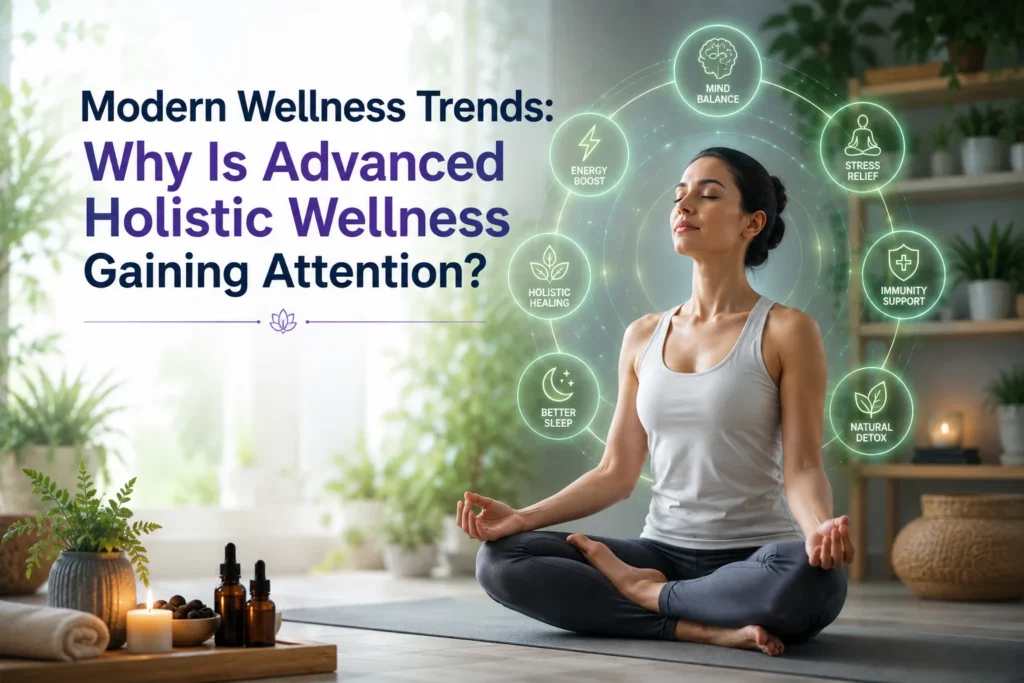
People today are thinking about wellness differently than they did a decade ago. Instead of focusing only on treating illness after it appears, many are becoming more proactive about supporting their overall well-being through lifestyle changes, preventive care, and complementary wellness practices.
This shift has sparked growing interest in advanced holistic wellness—an approach that looks beyond individual symptoms to consider the body, mind, emotions, environment, and daily habits as interconnected parts of overall health.
Searches for terms like holistic wellness, integrative wellness, natural wellness solutions, non-invasive wellness therapies, and personalized wellness programs continue to rise as people look for ways to support their long-term health alongside conventional medical care.
So, what is driving this trend, and why are more people exploring holistic wellness than ever before? This guide answers the most common questions people ask while explaining how advanced wellness approaches fit into today’s increasingly personalized healthcare landscape.
What Is Advanced Holistic Wellness?
One of the most common questions people ask is:
What Is Advanced Holistic Wellness?
Advanced holistic wellness is an approach that considers the body as an interconnected system rather than viewing physical, emotional, and lifestyle factors separately.
Instead of focusing on one specific concern, holistic wellness aims to support overall balance by encouraging healthy habits across multiple areas, including:
- Physical well-being
- Mental and emotional wellness
- Nutrition
- Sleep quality
- Stress management
- Environmental influences
- Lifestyle choices
- Energy and vitality
Many advanced wellness providers combine education, lifestyle guidance, and complementary therapies to help individuals develop sustainable wellness routines.
Unlike conventional medicine, which primarily focuses on diagnosing and treating disease, holistic wellness often emphasizes prevention, self-awareness, and long-term health optimization while working alongside appropriate medical care.
Why Is Holistic Wellness Becoming More Popular?
This is one of Google’s most searched wellness questions.
Several factors are contributing to the growing popularity of holistic wellness.
People Are Becoming More Preventive
Rather than waiting until they become ill, many individuals now look for ways to maintain their health through nutrition, movement, stress management, and regular wellness practices.
Personalized Wellness Is Replacing One-Size-Fits-All Approaches
Every person’s lifestyle, genetics, work environment, and daily stressors are different.
This has increased interest in personalized wellness programs that consider the individual rather than offering identical recommendations for everyone.
Greater Awareness of Lifestyle’s Impact on Health
Research continues to highlight the influence of sleep, nutrition, physical activity, and chronic stress on overall well-being.
As a result, people are paying closer attention to habits that support long-term wellness.
Access to Information
AI-powered search engines, online health resources, podcasts, and educational content have made wellness information more accessible than ever before, encouraging people to explore complementary approaches alongside conventional healthcare.
What Are the Main Principles of Holistic Wellness?
Another frequently asked question is:
What Are the Principles of Holistic Wellness?
Although different practitioners may follow different philosophies, most holistic wellness approaches share several common principles.
Treat the Whole Person
Rather than viewing symptoms in isolation, holistic wellness considers physical, emotional, mental, and lifestyle factors together.
Prevention Matters
Supporting healthy habits before problems develop is often considered just as important as addressing existing concerns.
Every Individual Is Different
Personalized wellness plans recognize that what works for one person may not be appropriate for another.
Balance Is Essential
Holistic wellness focuses on maintaining balance across multiple aspects of life instead of concentrating on a single area.
Why Are More People Looking for Natural and Non-Invasive Wellness Options?
Searches for natural wellness solutions, non-invasive therapies, and alternative wellness approaches continue to increase.
Many individuals appreciate complementary wellness options because they often:
- Focus on lifestyle improvements
- Encourage self-care
- Can be incorporated alongside conventional healthcare
- May help people feel more actively involved in their wellness journey
It is important to remember that complementary wellness practices are not intended to replace medical diagnosis or treatment, especially for serious or emergency health conditions.
How Does Advanced Holistic Wellness Differ From Traditional Healthcare?
This question appears frequently in People Also Ask results.
Traditional healthcare and holistic wellness often have different primary objectives.
Traditional Healthcare
Typically focuses on:
- Diagnosis
- Medical treatment
- Disease management
- Emergency care
- Evidence-based interventions
Advanced Holistic Wellness
Often focuses on:
- Prevention
- Lifestyle improvement
- Stress reduction
- Nutrition
- Sleep habits
- Physical activity
- Complementary wellness support
Many people choose to combine both approaches, allowing conventional medicine and holistic wellness to support different aspects of their overall health.
What Therapies Are Commonly Included in Advanced Holistic Wellness?
Modern holistic wellness programs may include a variety of complementary approaches depending on the provider.
Some commonly explored options include:
- Nutritional guidance
- Mindfulness practices
- Meditation
- Breathing exercises
- Yoga
- Massage therapy
- Wellness coaching
- Frequency-based wellness approaches
- Lifestyle consultations
- Stress management programs
Providers such as DNA Resonance Care may also incorporate bioresonance-based wellness assessments as part of a personalized wellness approach, while encouraging clients to continue appropriate medical care when needed.
Can Holistic Wellness Improve Everyday Well-Being?
Many people search:
Can holistic wellness improve quality of life?
Although individual experiences vary, many people explore holistic wellness to support areas such as:
- Better sleep habits
- Stress management
- Improved energy
- Emotional resilience
- Healthy lifestyle routines
- Greater self-awareness
- Work-life balance
These improvements often result from consistent healthy habits rather than a single therapy or intervention.
Is Holistic Wellness Scientifically Proven?
This is one of the most important questions to answer honestly.
Certain aspects of holistic wellness—such as regular exercise, healthy nutrition, quality sleep, stress reduction, and mindfulness—are supported by substantial scientific research.
Other complementary therapies may have limited or evolving evidence.
For this reason, responsible wellness providers explain both the potential benefits and the current limitations of available research.
Holistic wellness should complement—not replace—professional medical advice, diagnosis, or treatment.
Why Is Personalized Wellness Becoming the Future of Health?
Personalization is becoming one of the strongest trends in healthcare and wellness.
People increasingly recognize that factors such as:
- Age
- Lifestyle
- Occupation
- Stress levels
- Nutrition
- Environmental exposures
- Personal goals
all influence their individual wellness needs.
Rather than following generic recommendations, many individuals now seek customized wellness strategies that reflect their unique circumstances.
This growing demand has contributed significantly to the popularity of advanced holistic wellness programs.
How Is Technology Changing Modern Holistic Wellness?
Technology has transformed nearly every aspect of wellness.
Today, people have access to:
- Wearable fitness devices
- Sleep trackers
- Health monitoring apps
- AI-powered wellness guidance
- Virtual consultations
- Personalized health insights
Technology has also made complementary wellness services more accessible, allowing people to receive guidance without always visiting a physical clinic.
Many providers now combine traditional wellness principles with modern technology to create more personalized experiences.
Is Advanced Holistic Wellness Right for Everyone?
Holistic wellness is highly personal.
Some people are interested in nutrition and fitness.
Others focus on mindfulness or stress reduction.
Some explore complementary approaches such as bioresonance therapy as part of their overall wellness routine.
The most appropriate approach depends on individual goals, health status, and professional medical guidance.
Before beginning any new wellness program, it’s advisable to discuss it with a qualified healthcare provider, particularly if you have existing medical conditions or are taking prescription medications.
What Should You Look for in a Holistic Wellness Provider?
As holistic wellness continues to grow, choosing a reputable provider becomes increasingly important.
Consider providers who:
- Offer personalized consultations
- Clearly explain their methods
- Avoid unrealistic promises
- Encourage evidence-informed decision-making
- Support collaboration with conventional healthcare providers
- Focus on education rather than quick fixes
Organizations like DNA Resonance Care emphasize individualized wellness plans and transparent communication, helping clients understand both the possibilities and the limitations of complementary wellness approaches.
Why Advanced Holistic Wellness Is Shaping the Future of Well-Being
Modern wellness is evolving beyond reactive healthcare toward a more proactive, personalized approach that encourages people to care for their health every day—not only when challenges arise.
Advanced holistic wellness reflects this shift by bringing together healthy lifestyle habits, stress management, nutrition, movement, mindfulness, and complementary wellness practices into a broader view of well-being. While no single approach can guarantee optimal health, many people find value in creating balanced routines that support both physical and emotional wellness.
As awareness grows and technology continues to make personalized wellness more accessible, advanced holistic wellness is likely to remain an important part of how people think about long-term health. The key is making informed choices, understanding the available evidence, and building a wellness plan that complements professional medical care while supporting your own goals for a healthier, more balanced life.