
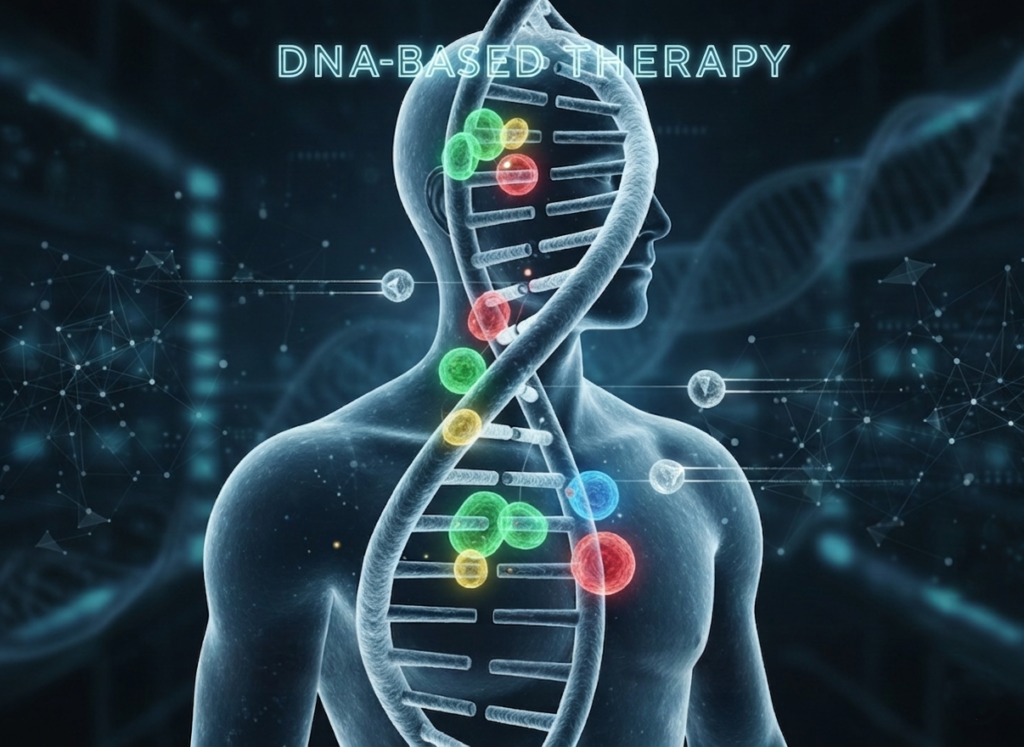
In recent years, healthcare has begun to shift from a generalized, one-size-fits-all approach to a more personalized and precise model. At the center of this transformation lies our DNA—the unique biological blueprint that influences how our bodies function, respond to the environment, and maintain overall health.
DNA-based therapy is an emerging approach that uses insights from your genetic and cellular information to create tailored wellness strategies. Rather than focusing only on symptoms, it aims to understand the root causes of imbalances within the body and support long-term healing in a more natural and individualized way.
Understanding the Role of DNA in Health
DNA (Deoxyribonucleic Acid) carries the instructions that determine how your body grows, repairs, and functions. Every cell in your body contains DNA, and it plays a crucial role in regulating processes such as metabolism, immune response, energy production, and even how your body reacts to stress.
However, your DNA is not just a fixed code that determines your destiny. While genes provide a blueprint, how they behave can change based on various internal and external factors. This is where the concept of genetic expression comes into play.
What is Genetic Expression?
Genetic expression refers to how your genes are “turned on” or “turned off” in response to your environment and lifestyle. For example, factors such as diet, stress levels, sleep patterns, exposure to toxins, and emotional wellbeing can all influence how your genes function.
This means that even if someone has a genetic predisposition to certain conditions, it does not guarantee that those conditions will develop. By influencing genetic expression, it is possible to support healthier outcomes and improve overall wellbeing.
How Imbalances Occur in the Body
Over time, the body can experience imbalances due to a variety of reasons, including:
- Chronic stress
- Poor nutrition
- Environmental toxins
- Lack of sleep
- Emotional strain
- Sedentary lifestyle
These factors can disrupt the body’s natural communication systems. Cells rely on continuous signaling to function properly, and when these signals are disturbed, it can lead to inefficiencies in how the body regulates itself.
Such imbalances may not always appear immediately as visible symptoms, but over time they can affect energy levels, immunity, digestion, and overall health.
What is DNA-Based Therapy?
DNA-based therapy is a modern, non-invasive approach that focuses on understanding these underlying imbalances by analyzing the body’s unique biological signals. It combines insights from genetics, cellular communication, and advanced assessment techniques to create a personalized wellness strategy.
Instead of applying the same treatment to everyone, DNA-based therapy recognizes that each individual is biologically unique. What works for one person may not work for another, and therefore, therapy should be tailored accordingly.
How DNA-Based Therapy Works
The process typically involves the following steps:
1. Individual Assessment
The journey begins with understanding your body’s unique profile. This may involve analyzing biological samples or signals that provide insight into how your body is functioning internally.
2. Identifying Imbalances
Through advanced analysis, subtle imbalances in the body’s systems are identified. These may relate to metabolism, stress response, immune function, or other key areas.
3. Personalized Therapy Plan
Based on the findings, a customized therapy plan is created. This plan is designed specifically for your body, taking into account your unique needs and patterns.
4. Ongoing Support and Adjustment
As your body responds to the therapy, progress is monitored and adjustments are made to ensure optimal results over time.
The Science Behind Personalized Healing
Personalized healing is based on the understanding that the human body is a highly interconnected system. Every function—from digestion to immunity—is influenced by multiple factors working together.
DNA-based therapy focuses on improving how these systems communicate and function as a whole. By supporting the body’s natural regulatory mechanisms, it helps enhance efficiency, adaptability, and resilience.
Rather than forcing change, this approach works with the body, encouraging it to return to a balanced and optimal state.
Benefits of DNA-Based Therapy
DNA-based therapy offers several potential benefits, including:
1. Targeted Approach
Because the therapy is personalized, it focuses on your specific needs rather than general solutions.
2. Early Detection of Imbalances
Subtle changes in the body can be identified before they develop into more serious concerns.
3. Non-Invasive and Gentle
Most DNA-based approaches are non-invasive, making them comfortable and accessible.
4. Holistic Support
The therapy considers the body as a whole, addressing multiple systems rather than isolated symptoms.
5. Improved Long-Term Outcomes
By focusing on root causes, it supports sustainable health and long-term wellbeing.
Why One-Size-Fits-All Treatments Fall Short
Traditional approaches to healthcare often rely on generalized treatments designed for the average patient. While these methods can be effective in certain cases, they may not account for individual differences in biology, lifestyle, and environment.
This can lead to:
- Inconsistent results
- Temporary relief rather than long-term improvement
- Difficulty addressing root causes
DNA-based therapy addresses these limitations by providing a more individualized approach. It recognizes that each person’s body responds differently and adapts the therapy accordingly.
The Role of Lifestyle in DNA-Based Healing
While DNA-based therapy provides valuable insights and guidance, lifestyle choices remain a key factor in achieving optimal health.
To support the effectiveness of personalized therapy, it is important to focus on:
- Balanced nutrition
- Regular physical activity
- Quality sleep
- Stress management
- Healthy environment
These factors influence genetic expression and play a crucial role in maintaining balance within the body.
Who Can Benefit from DNA-Based Therapy?
DNA-based therapy can be beneficial for a wide range of individuals, including those who:
- Want to improve overall wellness
- Experience ongoing fatigue or low energy
- Seek a more personalized approach to health
- Wish to understand their body better
- Are looking for preventive care options
It is especially valuable for those who feel that conventional approaches have not fully addressed their concerns.
The Future of Personalized Healthcare
As science continues to evolve, DNA-based therapy is expected to play an increasingly important role in healthcare. Advances in technology and research are making it easier to understand the complex interactions within the body and develop more precise, effective solutions.
The future of healthcare lies in personalization—where treatments are not just based on symptoms, but on a deep understanding of each individual’s biology.
Conclusion
DNA-based therapy represents a significant step forward in the journey toward personalized healing. By focusing on the root causes of imbalances and tailoring solutions to the individual, it offers a more thoughtful, effective, and sustainable approach to health.
Your body is unique, and your care should be too. By embracing the insights provided by DNA and modern therapeutic approaches, you can take a more informed and proactive role in your wellbeing—moving toward a healthier, more balanced life.